Summary:
Garage doors in Metro Detroit can stop opening or closing for several reasons, from broken springs and sensor issues to opener trouble, track damage, or worn cables. Knowing what signs to watch for can help homeowners avoid making the problem worse. It also helps to understand when a simple fix may solve the issue, when professional repair is the safer move, and why forcing a stuck door can lead to bigger repairs.
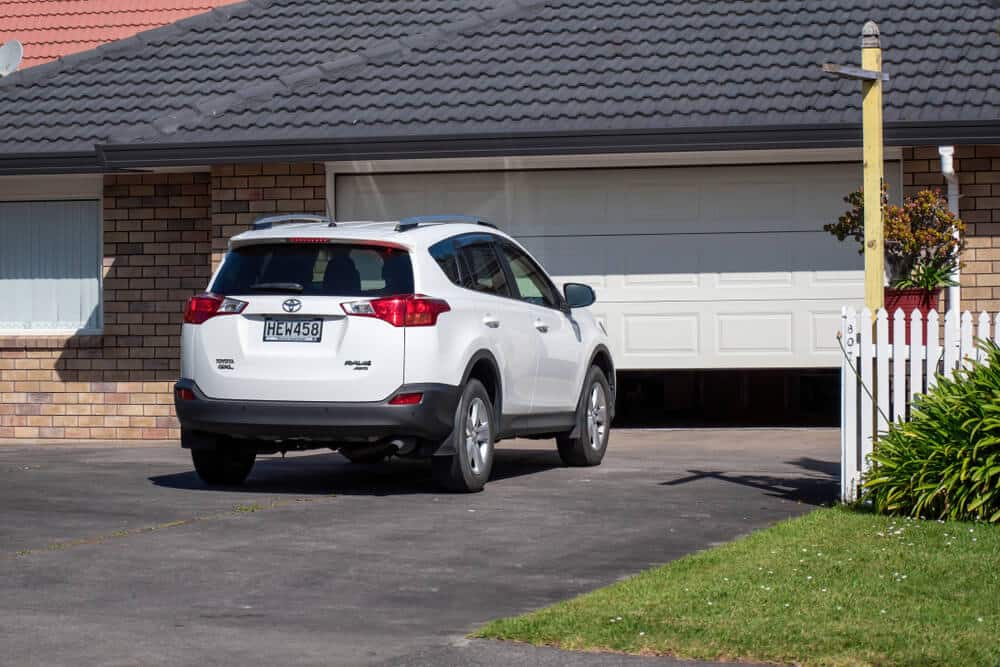
You’re already running late. Keys in hand, coffee half-finished, your mind already on the road ahead, and all you need is for the garage door to rise like it always does. You press the button, wait for that familiar hum, and then…nothing. Or maybe the door lurches up a foot, groans, and stops. Or, even better, it closes halfway, thinks better of it, and heads right back up like it’s completely changed its mind. These kinds of situations might tempt you to yank on it, jiggle the opener, or give the track a good whack, but that instinct is exactly how a small glitch in the system turns into a real hefty repair bill, or worse, an injury.
Garage doors are the largest moving object in most homes, and when they misbehave, there’s almost always a specific, identifiable reason behind it. So, before you get yourself sent to a hospital, let’s walk through some of the reasons your garage door doesn’t want to open or close before you touch anything.
What is the most common reason a garage door won’t open?
The single most common reason a garage door won’t open is a broken or worn-out spring. Torsion and extension springs carry the full weight of the door, often 150 to 400 pounds for a standard residential garage door, and when one fails, the opener motor simply isn’t strong enough to lift that weight on its own.
That said, springs aren’t the only culprit. A few other frequent causes include:
- Dead or low remote/keypad batteries is a surprisingly common false alarm
- A tripped circuit breaker or an unplugged opener cutting power entirely
- Misaligned or dirty photoelectric sensors near the bottom of the tracks
- A disengaged emergency release cord, often pulled by accident
- Snapped cables or a broken pulley, which throws the door off balance
- Worn rollers or bent tracks creating friction that the opener can’t overcome
How to tell if it’s a spring problem
If the door feels unusually heavy when you try to lift it manually, or if you notice a visible gap in the coil above the door, that is a strong sign of a broken garage door spring. You might also hear a loud bang from the garage; that is frequently the sound of a torsion spring letting go. Because these components are wound under extreme tension, this is one of the situations where professional broken spring repair is the safest next step.
Why age matters here
Most springs are rated for around 10,000 open-and-close cycles, which typically works out to seven to nine years of average use. If your door is older than that and you haven’t had it serviced, a spring failure isn’t a matter of if, but of when. Regular garage door maintenance in Metro Detroit catches this kind of wear long before it turns into a no-warning breakdown.
How to open a garage door if it won’t open?
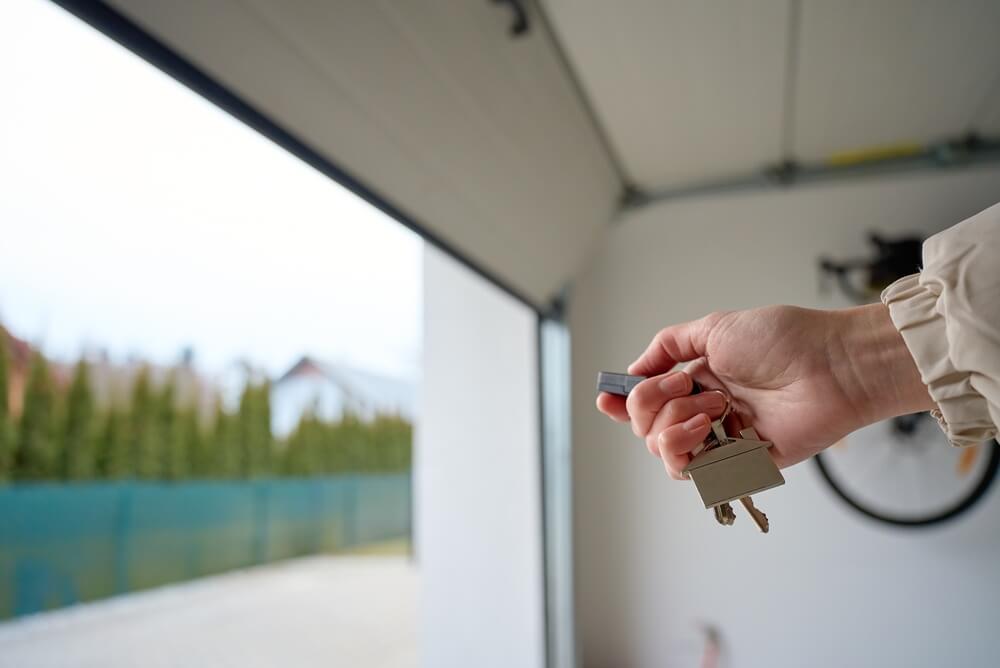
If your garage door won’t open, the safest first step is to rule out simple, non-mechanical issues before assuming the worst. Check the remote’s battery, confirm the wall switch has power, and look at the sensors near the floor to see if anything, a stray box, a pet toy, sunlight glare, is blocking the beam between them.
Here’s what you can check:
- Test the wall-mounted control panel instead of the remote to rule out a dead remote battery.
- Check that the opener is plugged in and the breaker hasn’t tripped.
- Look at the sensors for obstructions, dust, or misalignment (without touching or adjusting them yourself).
- Listen for the motor: does it hum and strain, or is there total silence?
- Check the emergency release cord to see if it’s accidentally engaged, disconnecting the door from the opener.
If the motor runs but the door doesn’t budge, or if it strains audibly, stop right there. That straining sound usually means something mechanical, perhaps a spring, cable, or track, is fighting against the opener, and forcing it further can snap a cable or drop the door unexpectedly. This is exactly the kind of scenario that warrants a review of home garage door safety basics, going more in-depth on what’s safe to check yourself versus what to leave alone.
When silence means something serious
Total silence, no click, no hum, nothing, often points to a power issue rather than a mechanical one. But if you hear the motor working and the door isn’t responding at all, that combination should never be pushed through by holding the button longer or pulling on the door. That’s an overhead garage door under real mechanical stress, and it may signal that its time for professional garage door service and repair instead of another push of the button.
How do I reset my garage door opener?
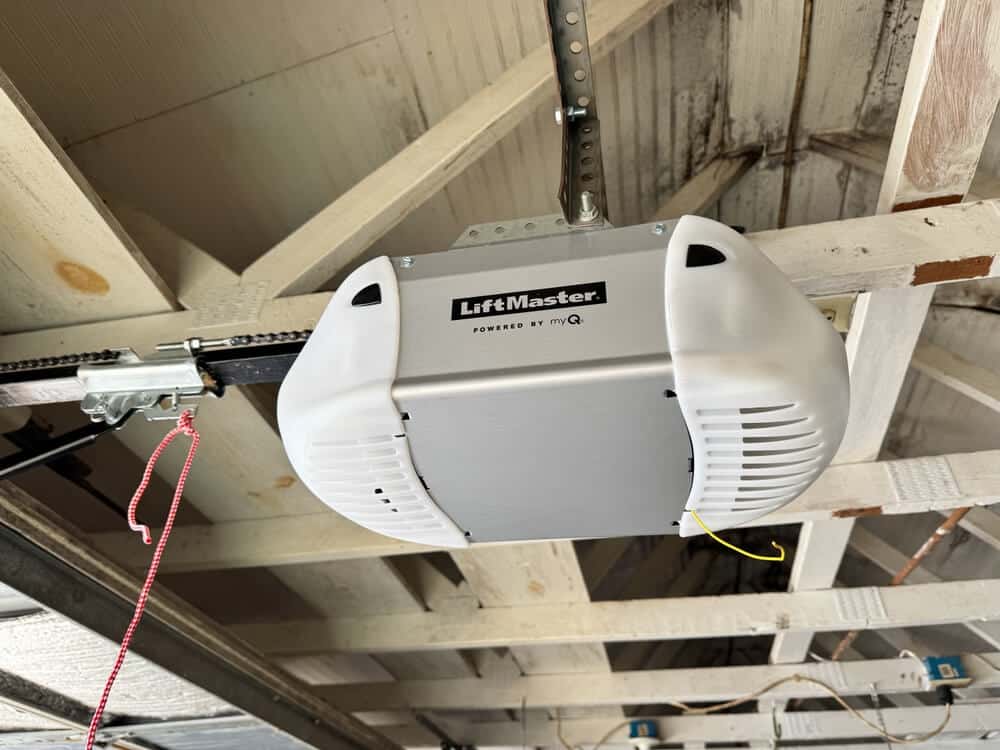
Resetting a garage door opener usually means either reprogramming the remote or power-cycling the main unit, and the exact steps depend on your opener’s brand. Most modern units have a “Learn” or “Smart” button on the motor housing that clears old remote codes and lets you re-sync a new signal.
A typical reset process looks like this:
- Locate the Learn/Smart button on the opener’s motor unit (usually near the antenna).
- Press and release it, which usually triggers an indicator light to blink.
- Within about 30 seconds, press and hold the remote button you want to program.
- Wait for the opener light to blink or click, confirming the pairing.
- Test the remote from a normal distance to confirm the reset worked.
If your remote suddenly stops working and a reset doesn’t help, interference could be to blame rather than a faulty unit. Garage door openers operate on specific unlicensed radio frequencies, and the FCC has documented interference cases where nearby high-power radio systems disrupt residential opener signals, particularly near military installations. It’s an uncommon cause, but worth knowing about before you assume your opener itself is broken.
Power-cycling versus full reprogramming
Sometimes the fix is even simpler: unplug the opener unit for about 30 seconds, then plug it back in. This clears minor electronic glitches without touching your remote codes at all. If the door still won’t respond after a full power cycle and a remote reset, that’s a sign the issue lives in the wiring, the logic board, or the motor itself, all of which call for garage door opener repair from someone in Metro Detroit who works on these systems daily.
Why is my garage door not closing all the way and goes back up?
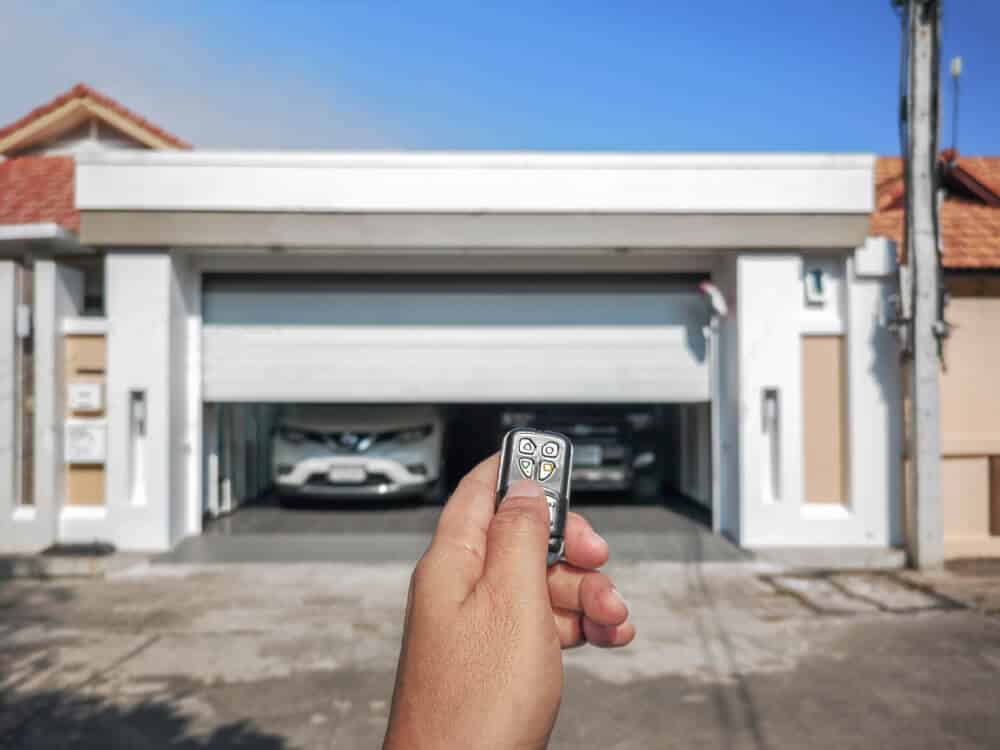
A garage door that stops short of closing and reverses upward is almost always being told to do that by a whisperer: its safety sensors. This reversing behavior is a built-in safety feature, not a malfunction in the traditional sense, even though it feels like one.
Sensor alignment and obstruction
Every residential opener installed since the early 1990s is required to include an entrapment-prevention system, and today that’s almost always a pair of photoelectric “eyes” mounted a few inches off the ground on either side of the door. If those two sensors aren’t looking directly at each other, or if something, maybe a leaf, a spiderweb, or direct sunlight, interrupts the beam, the opener assumes an obstruction and reverses the door rather than risk closing on a person, pet, or object. This requirement traces back to federal entrapment-prevention standards, put in place after a troubling number of entrapment injuries involving children and older opener models.
Limit setting issues
If the sensors are clean and aligned but the problem persists, the opener’s “close limit” setting may be off. This tells the motor how far to travel before it considers the door fully closed. When that setting drifts, often after a power outage or opener replacement, the door can reverse simply because it never receives the signal that it’s reached the ground.
Either way, the underlying issue is something a technician should diagnose in person, since adjusting sensor alignment or limit settings incorrectly can disable the very safety feature that protects your family. When our team at Mammoth Door & Construction gets a call about a door that reverses on its own, sensor alignment is one of the very first things we check, simply because it’s so often the actual cause.

How do you fix a garage door that won’t close all the way?
Fixing a garage door that won’t close all the way starts with an accurate diagnosis, since the fix depends entirely on the cause, and there are more possibilities here than most homeowners in Metro Detroit expect.
Common reasons include:
- Sensor misalignment, discussed above
- A bent track creating resistance partway down
- Debris in the track blocking the rollers
- A worn-out drive gear inside the opener losing its grip
- Incorrect force or travel-limit settings on the opener itself
- A cracked or warped panel throwing the whole door out of square
Because pricing for this kind of repair varies so much depending on which of these is actually wrong, it helps to understand what a fair quote for garage door repair in Metro Detroit typically looks like before you call around for estimates. A technician doing a proper inspection will usually check the tracks, the sensors, the opener’s settings, and the door’s overall balance in one visit, rather than guessing at a single part.
Why “almost closed” is riskier than fully open
A door that’s stuck partway down is arguably more dangerous than one that’s stuck open. It sits at exactly the height where someone could walk into it, duck under it, or get struck while trying to help it along. If your door is doing this, it’s worth treating the garage as off-limits to kids and pets until a professional has looked at it, not just an inconvenience to work around.
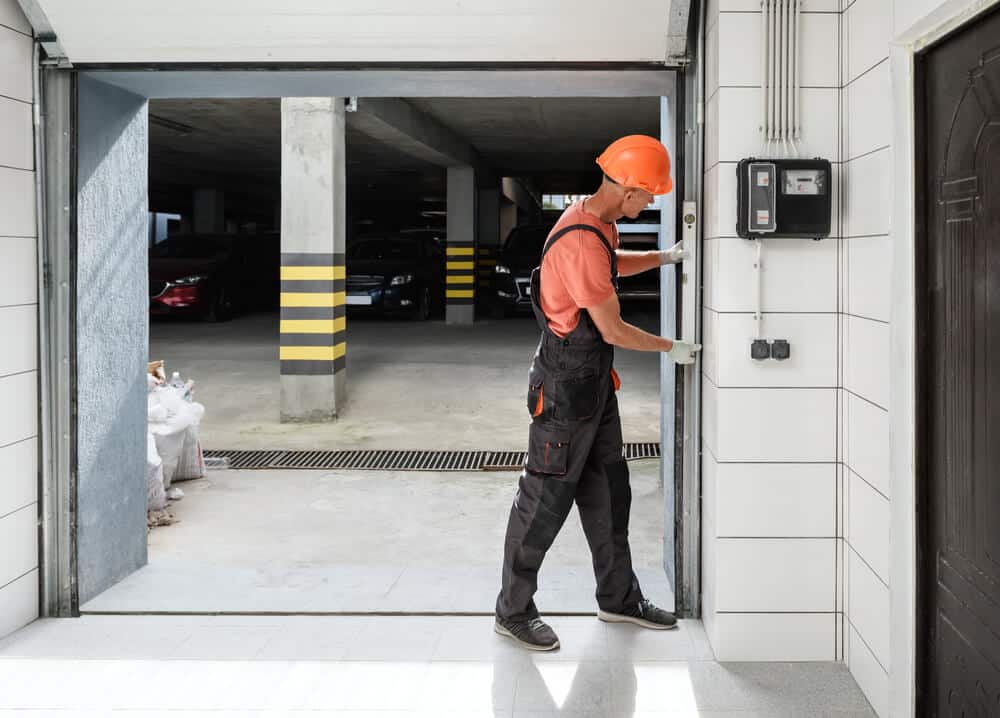
What causes a garage door to stop halfway?
A garage door stopping halfway is typically caused by a loss of the mechanical balance that lets the opener lift it smoothly, usually a spring, cable, or track issue rather than anything electrical.
Broken or unevenly worn springs
If one of two torsion springs fails while the other is still intact, the door often stops partway because it’s now being lifted unevenly on one side. This is especially common on wider, heavier doors. Homeowners who’ve gone through combining two single bays into one larger opening sometimes notice their new, heavier door is less forgiving of spring wear than the smaller doors it replaced, which is exactly why proper spring sizing matters so much during that kind of upgrade.
Cable and track problems
A frayed or slipped cable can cause the door to hang unevenly, catch on the track, and simply stop moving. Similarly, a bent track rail, even a small dent, can physically block the rollers from continuing their path. In both cases, the door isn’t refusing to move out of stubbornness; it’s being physically stopped by damaged hardware.
If you notice your garage door in Metro Detroit stopping at roughly the same spot every time, that consistency is actually useful information for broken spring repair or track diagnostics, since it usually points to a specific, fixed obstruction rather than a random glitch.
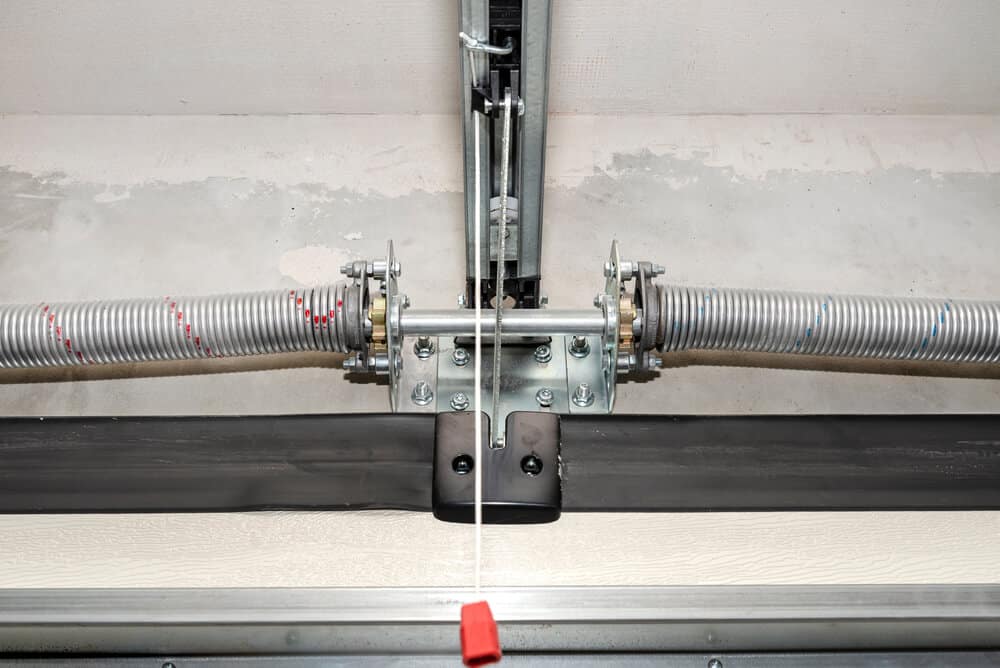
How to fix a garage door that is stuck halfway?
The right way to handle a garage door stuck halfway is to leave it exactly where it is and call for professional service, not to push, pull, or try to walk it down manually. A door caught mid-track is under uneven tension, and manually forcing it can cause a cable to snap or the door to fall suddenly.
What to do while you wait
- Keep people and pets away from the doorway entirely
- Avoid pressing the opener button repeatedly, which can strain the motor further
- Don’t attempt to manually pull the door up or down
- If possible, park a vehicle elsewhere so the garage isn’t blocking your only way out
What a technician actually checks
A professional will typically inspect the springs, cables, rollers, and track alignment together, since a stuck-halfway door is rarely caused by just one thing. They’ll also test the opener’s force settings to make sure it isn’t fighting against a mechanical issue elsewhere in the system. This is part of why knowing some of the best local garage door providers in the area pays off. A rushed or incomplete inspection can miss the root cause and leave you back at square one within weeks.
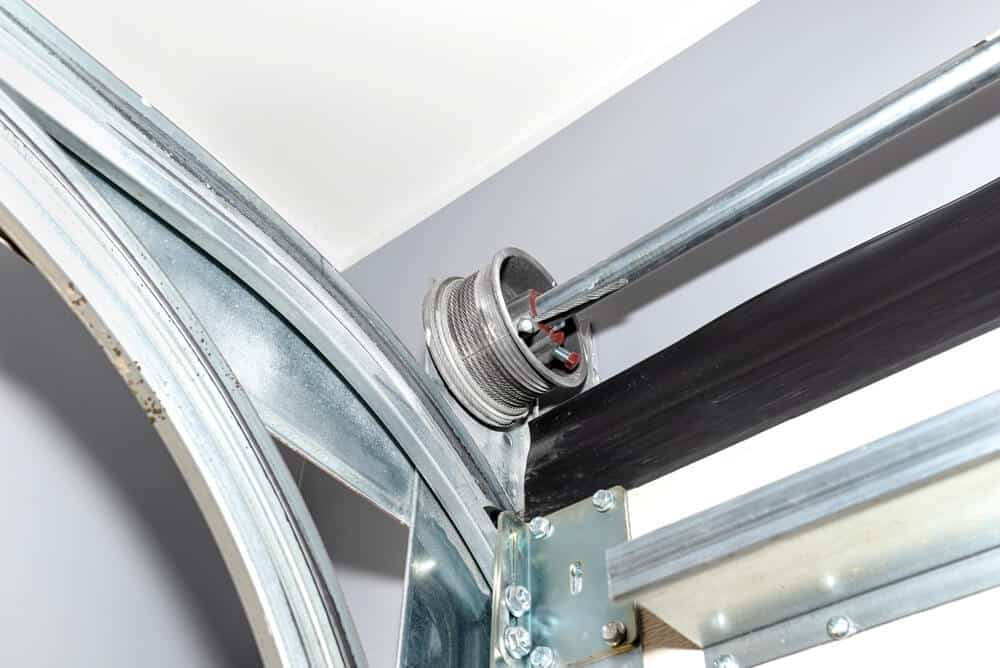
Why is my garage door opener running, but door not moving?
When the opener motor runs, but the door itself stays put, the two are usually disconnected from each other, either on purpose or by accident. This is one of the more confusing symptoms because it sounds like everything’s working, the motor hums, the light might even turn on, but nothing happens at the door itself.
The emergency release trolley
Every opener includes a manual disconnect, usually a red rope hanging from the trolley on the ceiling rail. If that release has been pulled, sometimes accidentally, by a tall object in the garage or during a power outage, the motor runs the trolley back and forth along the rail, but it’s no longer attached to the door. Reconnecting it correctly, especially on a door with a failing spring, isn’t something to attempt without knowing what’s holding the door’s weight at that moment.
Stripped gears and worn drive components
Inside the opener’s motor housing, a small plastic or nylon gear does most of the heavy lifting, literally. Over years of use, that gear can strip, especially on older units nearing the end of their expected lifespan. When it fails, the motor spins freely without ever engaging the chain or belt that moves the door.
Electrical gremlins worth ruling out
Occasionally, the issue traces back to the power supply itself rather than the opener. Garages are required to have GFCI-protected outlets under current electrical code, and a tripped one feeding the garage circuit can cause openers to behave erratically, running but not completing a full cycle, or cutting out mid-motion. It’s a simple thing to have checked, but diagnosing whether it’s electrical or mechanical is exactly the kind of judgment call that benefits from a trained eye rather than a guess.
Who do I contact for prompt garage door repair near me in Metro Detroit?
When your garage door stops working right, the smartest move is calling a licensed, local team, not searching for the nearest available repair truck. At Mammoth Door & Construction, we help homeowners across Oakland, Macomb, and Wayne Counties with stuck doors, opener issues, spring problems, same-day appointments, and emergency garage door repair when the situation cannot wait.
Our showroom is on Elizabeth Lake Road in Waterford Township, near Elizabeth Lake, so local help is never far away. If your door is acting up, do not force it. Call Mammoth Door & Construction and let our team get the right eyes on the problem early.