Summary:
This guide explains how homeowners can spot common garage door safety problems, test key safety features, and know when to stop using the system. It covers sensors, springs, cables, tracks, opener issues, emergencies, and the safest features to look for in a garage door. It also explains when a professional should step in to protect safe operation and home security.
A garage door is one of the largest moving parts in your home, and most people use it several times a day without giving it much thought. When everything runs smoothly, that makes sense. But worn springs, frayed cables, misaligned sensors, or a struggling opener can turn a routine trip in and out of the garage into a safety concern.
The good news is that many garage door problems give you warning signs before something fails completely. A door that starts moving unevenly, making new noises, reversing for no clear reason, or feeling unusually heavy deserves a closer look.
A simple safety routine can help catch those changes early. Knowing what to watch for, what you can safely test yourself, and when to call for residential garage door services in Metro Detroit can make it much easier to keep the system working safely.
How safe are garage doors?
Garage doors are generally safe when the door stays balanced, the opener responds correctly, and the safety features work as intended. Modern automatic openers also include federal entrapment protections for residential garage doors, but those safeguards still depend on correct installation and regular testing.
1. What warning signs should homeowners watch for?
Most garage door problems give you some indication that the system has changed. Movement, sound, and balance often provide the clearest clues.
Watch for:
- A crooked door
- Grinding, scraping, or popping
- Jerky movement
- A suddenly heavy door
- An opener that strains
- Unexpected reversing
- Visible cable wear
- Sensors that work inconsistently
You do not need to diagnose the problem yourself. These signs simply tell you when the system needs a closer look.
2. How often should you inspect a garage door?
A quick monthly inspection gives you a practical way to catch visible wear and changes in operation. Watch one full opening and closing cycle, listen for anything unusual, and check that the door still moves evenly.
A monthly check should include the door’s movement, visible hardware, balance, and key safety functions, while high-tension garage door components such as springs, cables, and bottom brackets should stay off the DIY list.
Are garage door sensors necessary?
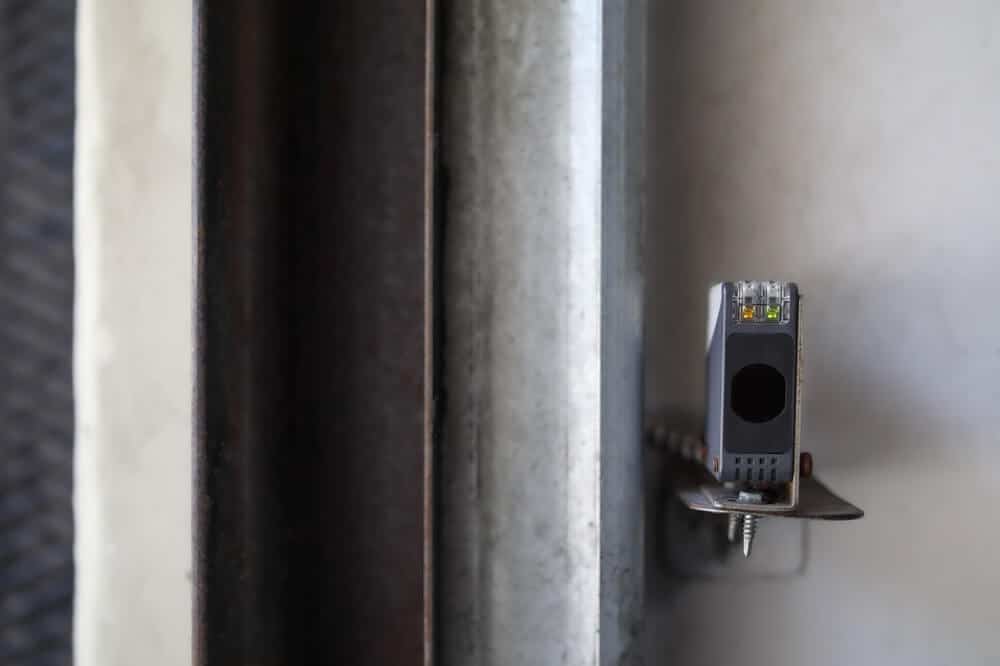
Garage door sensors play an essential role in modern automatic systems because they detect objects in the path of a closing door. Most systems use two photo eyes near the floor on opposite sides of the opening.
When a person, pet, bicycle, box, or another object breaks the beam, the opener should stop or reverse the door.
1. Why do garage door sensors matter?
Sensors help protect people and property by giving the opener a way to detect an obstruction before the door reaches it. Photo-eye sensors became a standard part of modern opener safety because residential garage door entrapment protection requires systems to respond when something enters the door’s path.
Sensors can help detect:
- Children or pets crossing the opening
- Bikes or toys left in the doorway
- Storage bins blocking the door
- Lawn equipment extending into the path
- Vehicles that have not fully cleared the opening
2. What are the signs of a sensor problem?
Sensor trouble often causes the door to open normally but refuse to close. You may also notice a blinking indicator light or a door that starts down and immediately reverses.
Common signs include:
- Blinking sensor lights
- One sensor light going dark
- Immediate reversal
- A door that closes only while you hold the wall control
- Dirty lenses
- Misaligned sensors
- Loose wiring
Check for dust, spiderwebs, leaves, or stored items around the sensors first. If the problem continues, the system may need garage door opener repair.
3. How should you test garage door sensors?
Open the door fully and start a closing cycle. Pass a long object through the sensor beam while you stay clear of the opening. The door should stop or reverse immediately. If it keeps closing, stop using the automatic opener until someone checks the sensors and opener system.
What are common safety issues with garage doors?
Broken springs, worn cables, poor balance, damaged tracks, and opener problems rank among the most common garage door concerns. Many of these issues affect the way the door moves before they cause a complete failure.
1. Broken or worn garage door springs
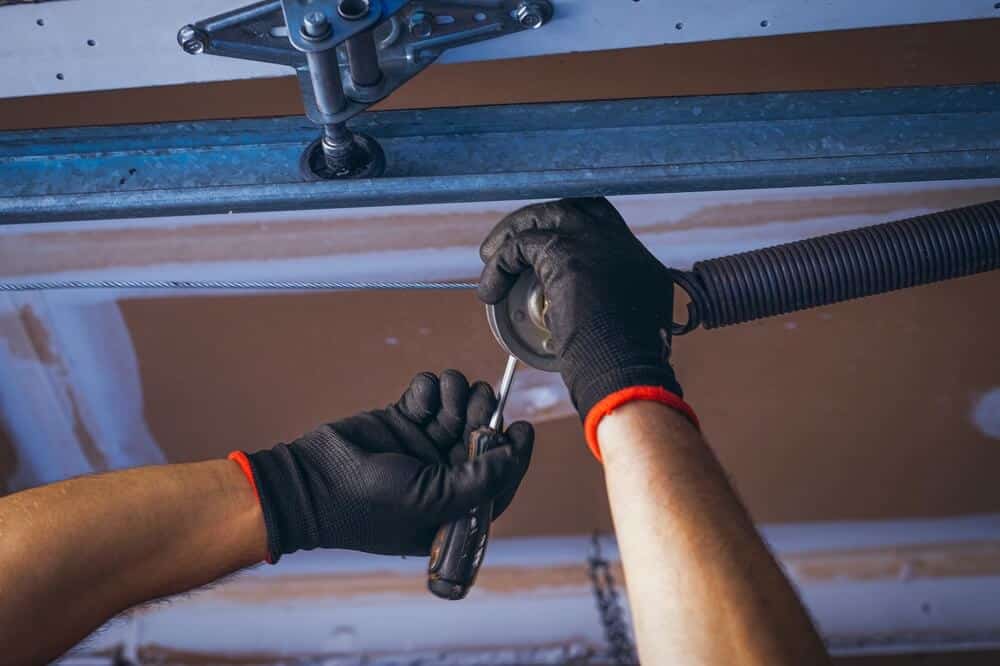
Garage door springs counterbalance much of the door’s weight. When one breaks, you may hear a loud bang and then notice that the door feels heavy or barely opens.
Signs can include:
- A visible gap in a torsion spring
- A door that lifts only a few inches
- A suddenly heavy door
- Uneven lifting
- An opener that sounds strained
Never tighten, wind, remove, or reposition a spring yourself. These parts store significant force.

2. Frayed or damaged lift cables
Lift cables work with the spring system and carry heavy tension. Damage can make one side of the door lose support.
Look for:
- Frayed strands
- Rust
- Slack cable
- Uneven cable position
- A door that rises at an angle
If a cable looks damaged or comes loose, stop operating the door and leave it alone.
3. Poor garage door balance
A balanced door should move smoothly and should not force the opener to carry excessive weight. Poor balance often makes the door feel heavy or causes it to move unevenly.
Possible signs include:
- The door drops quickly
- The door will not stay partially open
- One side moves faster
- The opener strains during lifting
A garage door balance test can help identify a problem, but only test a door that shows no obvious spring, cable, or track damage.
4. Damaged tracks and rollers
Tracks and rollers control the path of the door. A bent track or damaged roller can cause scraping, hesitation, sideways movement, or an off-track door. Stop operating the opener if a roller leaves the track. Continued use can damage additional hardware and make the door less stable.
What constitutes a garage door emergency?
A garage door problem becomes an emergency when it creates an immediate safety, security, or access issue. A minor squeak can wait, while a crooked door, broken spring, or off-track system needs faster attention.
Treat the problem as urgent when:
- The door hangs at an angle
- A spring or cable breaks
- The door comes off track
- You cannot close the garage
- The door starts falling unexpectedly
- A vehicle damages the system
1. The garage door has come off its track
Stop using the opener if one or more rollers leave the track. The door may still look partly supported, but the system no longer controls its weight correctly.
Do not:
- Keep pressing the opener
- Force the door closed
- Push rollers back into place
- Stand beneath the door
Keep people and vehicles away until a technician inspects the system.
2. A spring or cable has broken
A broken spring can leave the door too heavy for normal operation. A failed cable can make one side unstable. Do not keep cycling the opener to see whether it still works. Stop using the door and arrange service before the damaged part affects other components.
3. The garage door will not close
A door stuck open can create a security problem, especially when the garage connects directly to the house. Check the sensor area first if the door otherwise looks normal.
A broken spring, damaged cable, off-track door, or opener problem can all change what goes into a garage door repair estimate, especially when the problem affects more than one component. If the door also hangs crooked or shows visible hardware damage, arrange emergency garage door repair.
4. A vehicle hit the garage door
A vehicle impact can damage panels, tracks, rollers, hinges, and alignment. Even when the panel takes most of the visible damage, other parts may shift. Look for:
- Bent tracks
- Crooked panels
- Rollers sitting differently
- New scraping
- A tilted bottom edge
If the door no longer moves normally, stop operating it until someone checks the system.
How can you tell when a garage door opener is going bad?
A failing garage door opener often becomes slower, noisier, or less reliable before it stops working completely. Poor balance, worn springs, or track problems can create similar symptoms, so consider how the whole door behaves.
1. The opener starts working inconsistently
An opener may respond one moment and ignore the remote the next. Start with simple causes such as remote batteries. If the wall control also behaves unpredictably, the problem may involve:
- Wiring
- The control board
- Internal electronics
- Safety sensor circuits
Repeated inconsistency usually deserves an inspection.
2. The garage door moves more slowly
A slower door can point to opener wear or resistance elsewhere in the system. Watch whether the slowdown happens in the same spot every time.
Possible causes include:
- Binding rollers
- Track resistance
- Poor balance
- A weakening spring
- Motor wear
If the door hesitates in one area, the tracks or rollers may cause the problem.
3. You hear new sounds from the opener
Different opener types make different levels of noise, so focus on sounds that appear suddenly. Grinding, repeated clicking, rattling, or strong vibration can signal wear. Pay attention to whether the sound comes from the opener or the door itself. That detail can make diagnosis easier.
4. The garage door reverses unexpectedly
Dirty sensors, poor alignment, incorrect travel settings, track resistance, or opener force settings can cause unexpected reversing. Check for:
- Objects near the sensors
- Dirty lenses
- Blinking sensor lights
- Resistance in the same spot
- Reversal at the same point every cycle
Do not keep overriding the reversal if you cannot identify the cause.
What is the safest type of garage door?
No single material or style automatically makes one garage door safer than every other option. Proper installation, compatible hardware, correct spring sizing, and reliable safety features matter more.
Steel sectional doors remain common because they offer durability, insulation choices, and compatibility with modern opener systems. Wood, aluminum, composite, and custom doors can also operate safely when installers match the parts correctly.
1. What safety features should you look for?
Look at the complete system rather than the door material alone. A dependable opener should also meet safety requirements for powered door operators that address risks such as entrapment and unintended movement.
Useful features may include:
- Pinch-resistant panel designs
- Strong hinges and rollers
- Properly sized springs
- Reliable photo-eye sensors
- A compatible opener
- A working emergency release
- Quality tracks and hardware
2. How does garage use affect the safest choice?
A garage that serves as the main family entrance may open far more often than one used only for vehicle storage. Higher daily use can make durability and opener compatibility especially important. Consider:
- How often the door opens
- The weight of the door
- Whether children use the garage
- How much storage sits near the opening
- Whether the garage serves as a main entrance
Keep bikes, snow blowers, lawn equipment, and boxes away from sensors and moving hardware.
3. What if you change the garage opening?
Changing the opening can affect framing, tracks, springs, opener setup, and overall door weight. Homeowners who want one wider opening also have to account for those structural and mechanical changes during a double garage door conversion.
A wider opening needs more planning than a simple door swap. The finished system still needs the right support, balance, and hardware for the new door.
What should you include in a garage door safety checklist?
A useful garage door safety checklist focuses on what you can safely observe and test without touching high-tension parts. Most homeowners can complete the basics in a few minutes.
1. Watch the door move
Open and close the door once from a safe distance. Look for:
- Uneven travel
- Shaking
- Hesitation
- Rubbing
- One side rising faster
- A crooked bottom edge
2. Listen for new noises
Pay attention to sounds that differ from normal operation. Listen for:
- A loud bang
- Repeated popping
- Grinding
- Scraping
- Strong vibration
A new sound matters more when it appears with uneven or jerky movement.
3. Check springs and cables visually
Look at the springs and cables without touching them. Watch for:
- A gap in a torsion spring
- Frayed cable strands
- Rust
- Slack cable
- Uneven cable position
Leave repairs and adjustments to a professional.
4. Inspect tracks and rollers
Make sure the rollers stay inside the tracks and the door follows a straight path. Look for bent sections, loose brackets, crooked rollers, or obvious scrape marks.
5. Test the photo-eye sensors
Start closing the door and interrupt the sensor beam with a long object while you stay clear. The door should stop or reverse immediately. If it keeps closing, stop automatic operation.
6. Test the reversing feature
Follow your opener manufacturer’s instructions. DASMA commonly recommends placing a 2×4 flat in the door’s path for applicable systems. The door should contact the board and reverse. If it keeps pushing downward, arrange service.
7. Keep controls away from children
Store remotes where young children cannot reach them and place wall controls high enough to prevent unsupervised use. Teach children to:
- Stay clear of moving doors
- Keep fingers away from panel joints
- Avoid playing near tracks
- Never race underneath a closing door
8. Know how the emergency release works
Read the opener manual before you need the emergency release. It disconnects the opener, but it does not remove the door’s weight or make damaged components safe.
Avoid manual operation when the door hangs crooked, a spring has broken, a cable has come loose, or the door feels extremely heavy.
When should you stop checking and call a garage door professional?
Stop your DIY inspection whenever the problem involves springs, cables, unstable movement, an off-track door, or a safety feature that no longer works correctly. Visual checks help you identify trouble without exposing yourself to high-tension components.
Call for professional help when:
- A spring breaks
- A cable frays or comes loose
- The door leaves its track
- The door hangs crooked
- The opener keeps straining
- Sensors fail a safety test
- The reversing system stops working
- You cannot close and secure the garage
What should you look for in a garage door company?
Experience with springs, openers, tracks, emergency repairs, and different door systems all matter when choosing a garage door company. Licensing, insurance, warranties, reviews, and clear explanations can also help you compare providers.
Useful questions include:
- Do you work on my type of door?
- Do you repair openers as well?
- What warranty covers the work?
- Can you explain what failed?
- Do you offer emergency service?
Who can I rely on for professional residential garage door services in Metro Detroit?
Mammoth Door & Construction has served Michigan homeowners and businesses since 2000. Owner Chris Jones comes from three generations of carpenters and contractors, and the company has grown from its construction roots into a full-service garage door business with its own parts center and showroom. Mammoth also holds a Michigan builder license and carries insurance.
For garage door repairs, openers, replacements, and new installations, customers can turn to a team that works with a wide range of doors and keeps common parts and accessories in stock. Mammoth offers same-day appointments when scheduling allows and 24/7 emergency service when a door will not close, stops working, or becomes unsafe. Whether you live near Belle Isle Park or elsewhere in Metro Detroit, we’re here to help. Reach out today!